

Advertisement
For much of the year, driving across the UAE is more about endurance than enjoyment. High temperatures and hazy skies often turn roads into something purely functional. Winter changes that equation. As the air cools and visibility improves, routes that once felt routine begin to invite exploration.
This is the season when driving slows down, not because of congestion, but because the surroundings finally deserve attention. Mountain climbs, desert horizons and coastal stretches feel sharper, quieter and more immersive. In winter, a journey becomes part of the destination.
What defines a memorable drive is not just scenery. It is the character of the road itself — how it curves, how it rises, how it responds under braking. Just as important is the vehicle you choose. Not the most powerful or expensive option, but the one that feels naturally suited to the terrain.
Here are five winter routes that showcase the UAE at its most rewarding from behind the wheel, along with the types of vehicles that fit them best.
Jebel Jais Road, Ras Al Khaimah
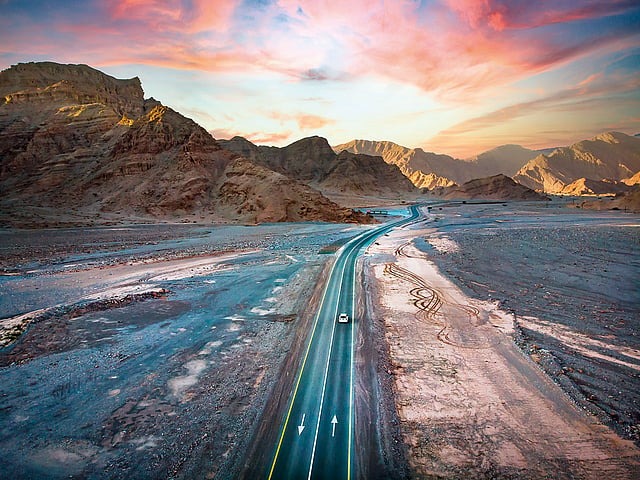
This mountain route is widely regarded as the most engaging road to drive in the country. The surface quality is high, the bends are well spaced, and the ascent encourages smooth, deliberate inputs rather than aggressive driving.
A composed sedan or a well-balanced performance SUV works best here. Firm suspension, predictable steering and reliable brakes matter more than outright speed. Taller vehicles with soft suspension can feel unsettled on tighter sections.
Drivers often focus on the climb, but the descent demands more attention. Using engine braking, pacing stops and managing speed are essential. The frequent viewpoints provide both a visual reward and a practical reason to pause.
Hatta Mountain Road, Dubai
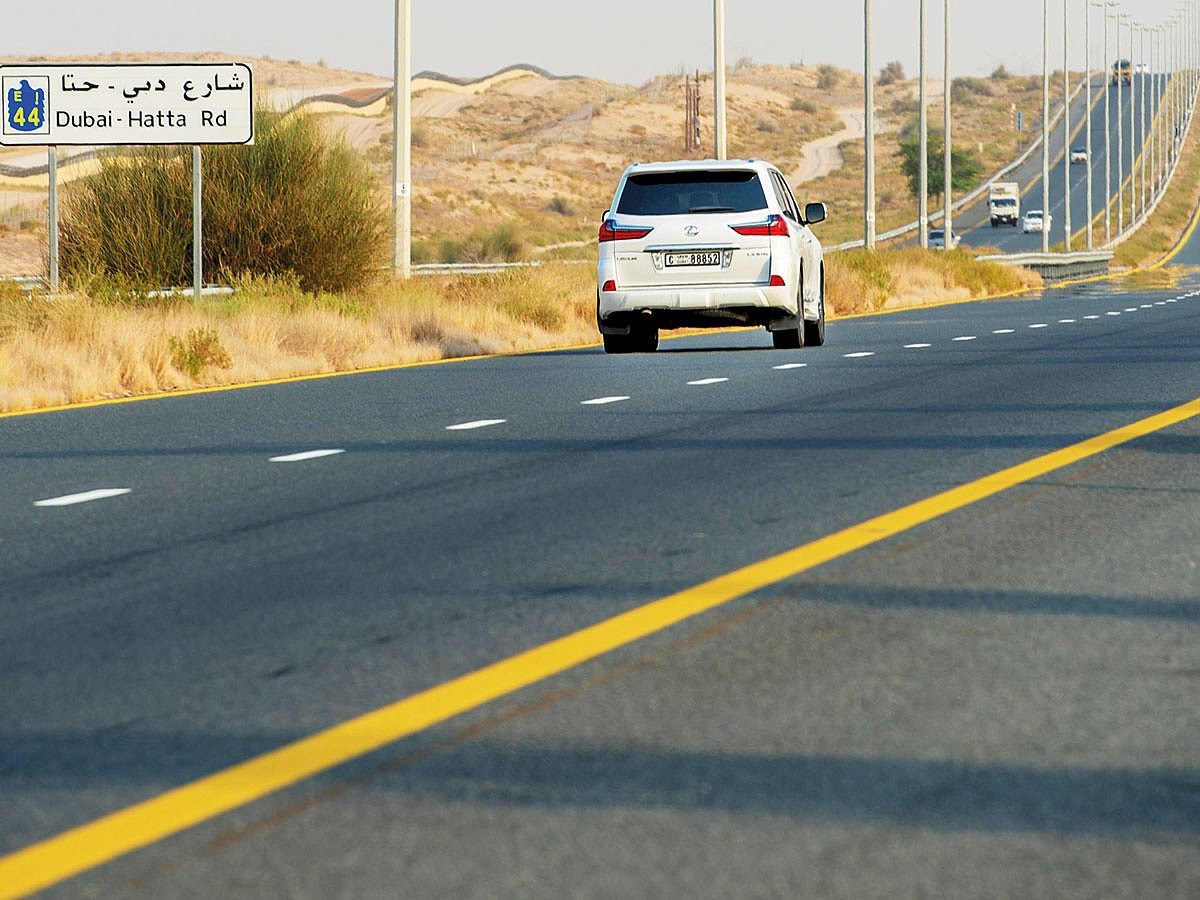
The drive to Hatta offers a calmer, more accessible escape. Gradual elevation changes and open views make it an easy route to settle into rather than one to push.
Compact and mid-size SUVs suit this journey well. A comfortable driving position, good visibility and compliant suspension enhance the experience far more than performance credentials. The familiarity of the route for many residents only heightens the contrast when the landscape opens up.
Winter weekends can be busy, particularly near the dam area. Mid-week or early morning drives offer a quieter and more relaxed experience.
Liwa Crescent, Abu Dhabi
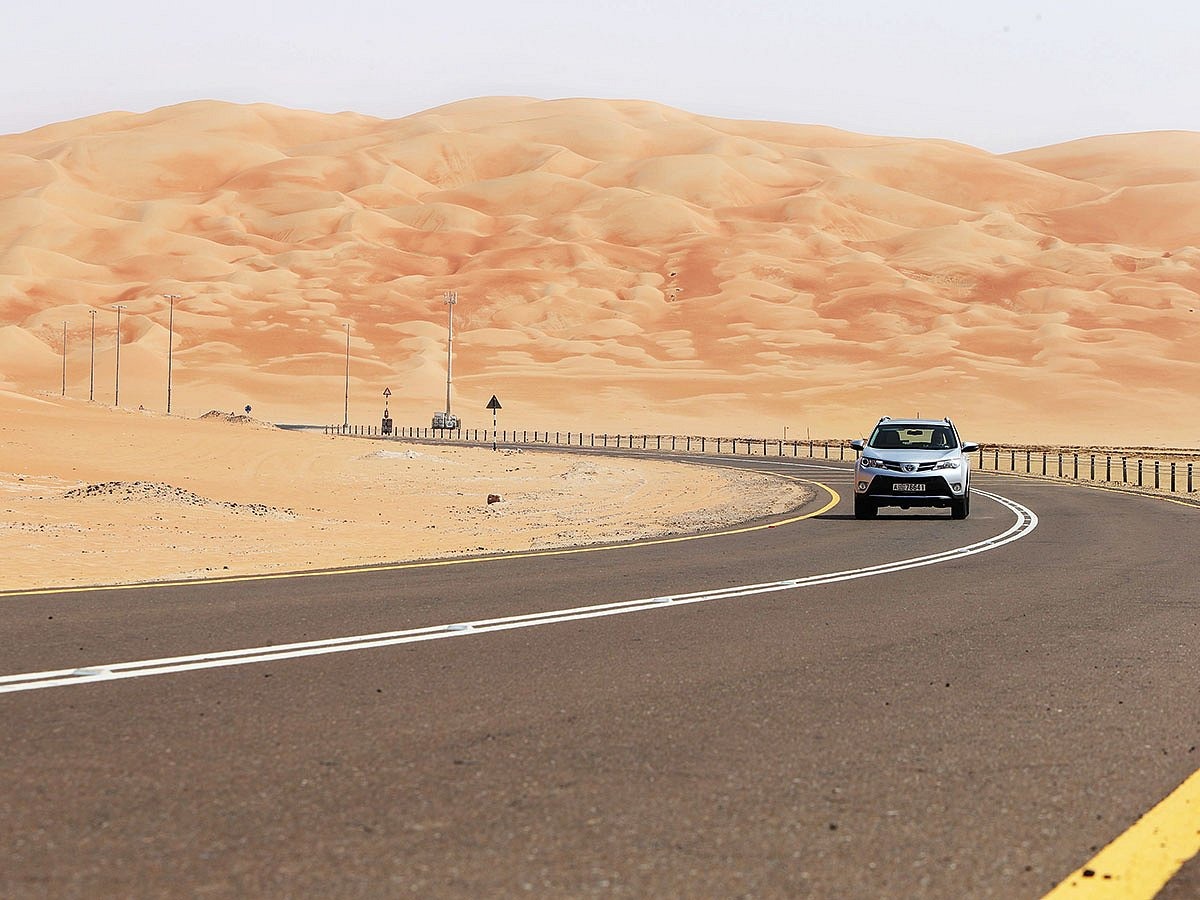
Skirting the edge of the Liwa desert is less about technical driving and more about scale. Long, open stretches of road framed by dunes emphasise distance and isolation, especially when traffic thins out.
This is where larger SUVs and traditional four-wheel-drive vehicles feel most appropriate. Cabin comfort, fuel range and stability take priority over agility. While the road is paved, services are limited, making preparation important.
Fuel up before entering the area, carry water even in cooler months, and allow time to stop. Late afternoon light transforms the desert, making patience worthwhile.
Khor Fakkan Coastal Road, Sharjah
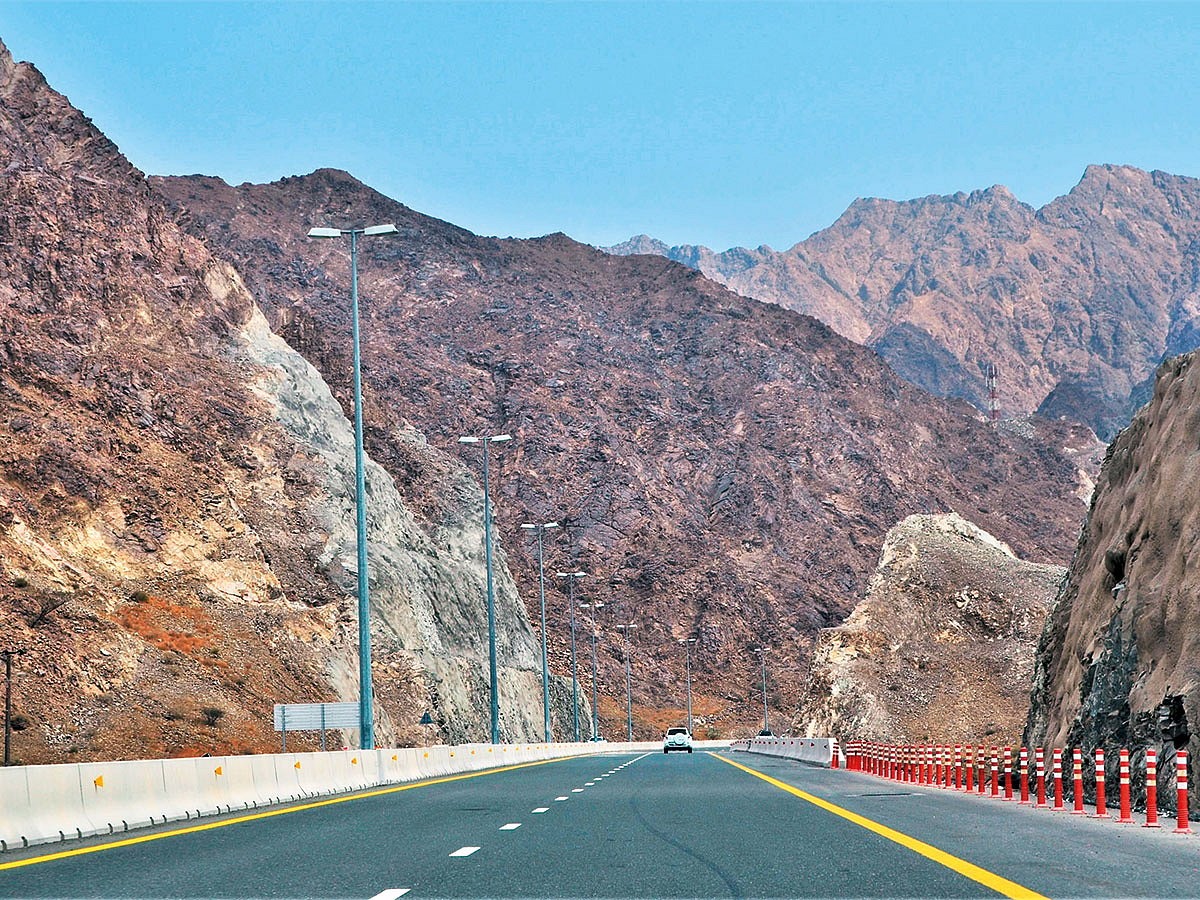
Few routes balance scenery and ease as effectively as the coastal road leading to Khor Fakkan. Mountains rise sharply on one side while the sea stretches uninterrupted on the other, with a road that flows smoothly between them.
Refined sedans and comfortable touring cars suit this drive best. Low noise levels, steady highway performance and relaxed cruising enhance the experience. This is a route where the surroundings should take centre stage.
Early mornings and late afternoons offer the best light and lighter traffic, particularly from heavy vehicles.
Al Ain to Jebel Hafeet
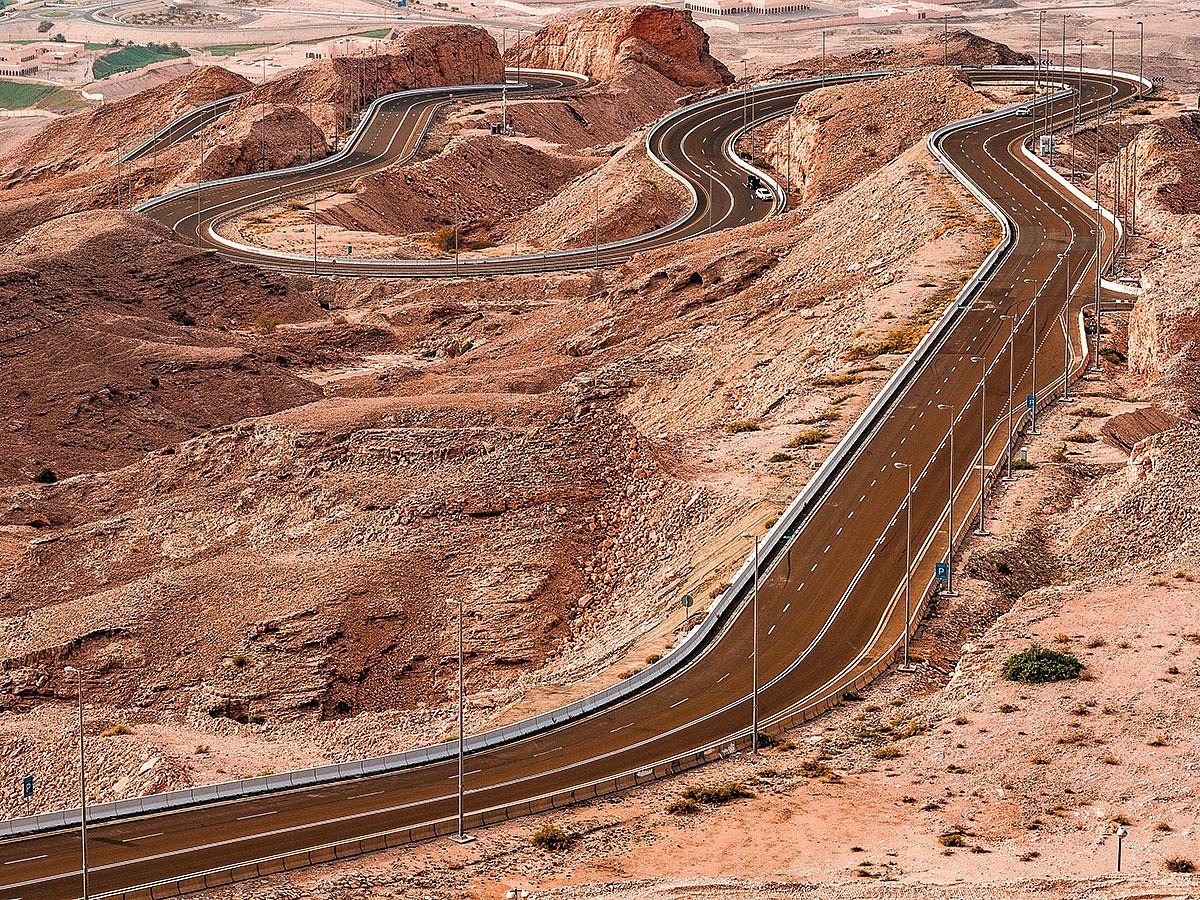
Short but distinctive, the climb to Jebel Hafeet remains a familiar benchmark for UAE drivers. The road is predictable, well surfaced and consistently engaging, with views that still impress despite repeat visits.
Balanced sedans and confident crossovers work well here, particularly those with responsive steering and strong braking. Cooler winter evenings add to the appeal, though temperatures drop quickly near the summit.
Cyclists are common on this route, and conditions can change rapidly. Taking the drive at a measured pace allows both safety and enjoyment.
Winter driving in the UAE is not about pushing limits. It is about alignment — between road, vehicle and mindset. The right car enhances the journey, but preparation and restraint define it.
Checking tyre pressures, planning fuel stops and allowing time to pause all contribute to a better experience. The most rewarding winter drives are not measured by speed or distance, but by how clearly they stay with you once the engine is switched off.


Advertisement


